“Terror doesn’t begin with violence. It begins with fracture.”
“Terror doesn’t begin with violence. It begins with fracture.”
“Terror doesn’t begin with violence. It begins with fracture.”
Understanding the Path to Radicalization: The Dynamics of Terror (2nd Edition)
Inside the Mind of Homegrown Terrorism
A powerful conversation with Dr. Richard J. Hughbank on identity, influence, and the hidden path to radicalization in modern society.
Inside the Mind of Homegrown Terrorism
A powerful conversation with Dr. Richard J. Hughbank on identity, influence, and the hidden path to radicalization in modern society.
Inside the Mind of Homegrown Terrorism
A powerful conversation with Dr. Richard J. Hughbank on identity, influence, and the hidden path to radicalization in modern society.
About
Dr. Richard J. Hughbank
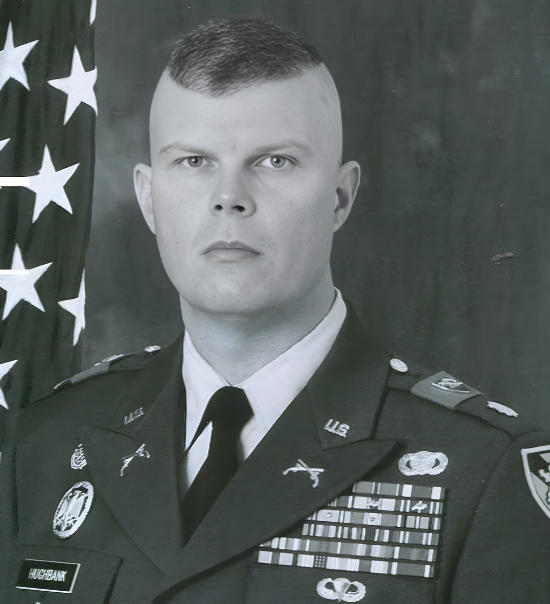
Dr. Richard J. Hughbank is a retired U.S. Army Military Police officer, homeland security scholar, and longtime university educator specializing in terrorism studies and radicalization. Blending operational experience with academic research, he writes to help readers understand extremist violence and improve prevention, preparedness, and resilience.
Dr. Richard J. Hughbank is a retired U.S. Army Military Police officer, homeland security scholar, and longtime university educator specializing in terrorism studies and radicalization. Blending operational experience with academic research, he writes to help readers understand extremist violence and improve prevention, preparedness, and resilience.
Dr. Richard J. Hughbank is a retired U.S. Army Military Police officer, homeland security scholar, and longtime university educator specializing in terrorism studies and radicalization. Blending operational experience with academic research, he writes to help readers understand extremist violence and improve prevention, preparedness, and resilience.
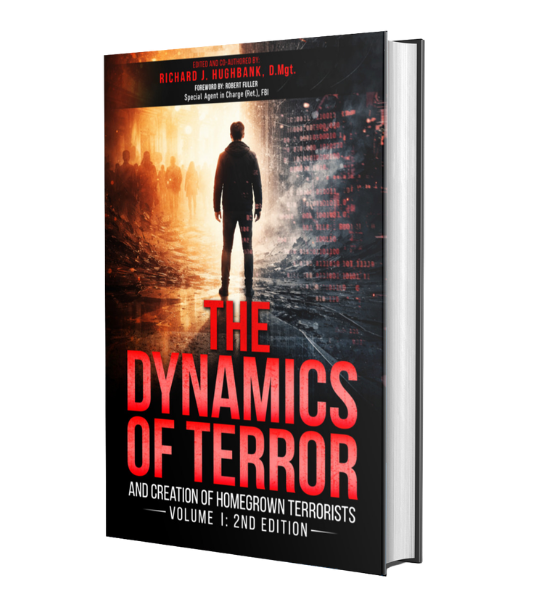
The Dynamics of Terror: And Creation of Homegrown Terrorists (2nd Edition) examines how terrorism can emerge not only from infamous ideological leaders, but from ordinary individuals shaped by personal fracture, social isolation, grievance, and the search for identity and belonging. Dr. Richard J. Hughbank explains how these pressures, when paired with persuasive extremist narratives and group influence, can gradually reshape beliefs and behavior—sometimes culminating in violence.
Blending psychology, sociology, and national security insight, the book introduces the Fracture-to-Fusion Radicalization Model (FFRM) to map the pathway from vulnerability to ideological immersion. Through case-driven analysis, it gives readers a practical framework for recognizing patterns early and strengthening prevention and resilience across families, schools, communities, and institutions.
The Dynamics of Terror: And Creation of Homegrown Terrorists (2nd Edition) examines how terrorism can emerge not only from infamous ideological leaders, but from ordinary individuals shaped by personal fracture, social isolation, grievance, and the search for identity and belonging. Dr. Richard J. Hughbank explains how these pressures, when paired with persuasive extremist narratives and group influence, can gradually reshape beliefs and behavior—sometimes culminating in violence.
Blending psychology, sociology, and national security insight, the book introduces the Fracture-to-Fusion Radicalization Model (FFRM) to map the pathway from vulnerability to ideological immersion. Through case-driven analysis, it gives readers a practical framework for recognizing patterns early and strengthening prevention and resilience across families, schools, communities, and institutions.
The Dynamics of Terror: And Creation of Homegrown Terrorists (2nd Edition) examines how terrorism can emerge not only from infamous ideological leaders, but from ordinary individuals shaped by personal fracture, social isolation, grievance, and the search for identity and belonging. Dr. Richard J. Hughbank explains how these pressures, when paired with persuasive extremist narratives and group influence, can gradually reshape beliefs and behavior—sometimes culminating in violence.
Blending psychology, sociology, and national security insight, the book introduces the Fracture-to-Fusion Radicalization Model (FFRM) to map the pathway from vulnerability to ideological immersion. Through case-driven analysis, it gives readers a practical framework for recognizing patterns early and strengthening prevention and resilience across families, schools, communities, and institutions.
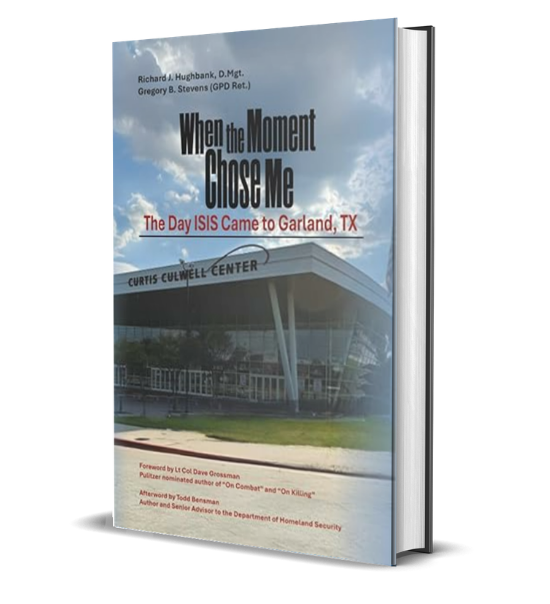
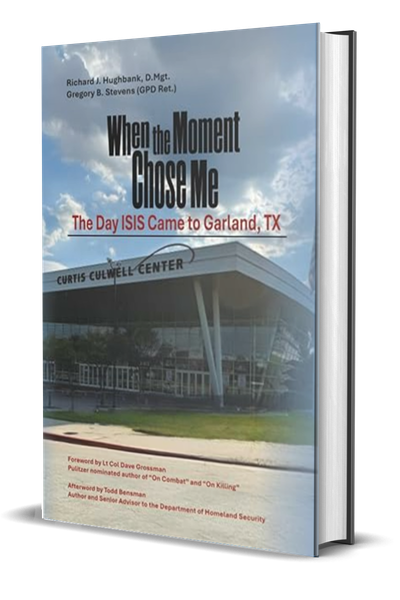
When the Moment Chose Me: The Day ISIS Came to Garland, TX recounts the events of May 3, 2015, when an ISIS-inspired attack disrupted a peaceful gathering in Garland, Texas. Two radicalized individuals attempted to carry out a violent act but were stopped by the swift and courageous response of local law enforcement, highlighting the bravery of those who protect their communities.
Drawing from firsthand accounts and expert analysis, the book explores the motivations behind the attack and the broader realities of modern terrorism. It emphasizes the importance of vigilance, preparedness, and resilience, while shedding light on the profound impact such events have on individuals and society.
When the Moment Chose Me: The Day ISIS Came to Garland, TX recounts the events of May 3, 2015, when an ISIS-inspired attack disrupted a peaceful gathering in Garland, Texas. Two radicalized individuals attempted to carry out a violent act but were stopped by the swift and courageous response of local law enforcement, highlighting the bravery of those who protect their communities.
Drawing from firsthand accounts and expert analysis, the book explores the motivations behind the attack and the broader realities of modern terrorism. It emphasizes the importance of vigilance, preparedness, and resilience, while shedding light on the profound impact such events have on individuals and society.
When the Moment Chose Me: The Day ISIS Came to Garland, TX recounts the events of May 3, 2015, when an ISIS-inspired attack disrupted a peaceful gathering in Garland, Texas. Two radicalized individuals attempted to carry out a violent act but were stopped by the swift and courageous response of local law enforcement, highlighting the bravery of those who protect their communities.
Drawing from firsthand accounts and expert analysis, the book explores the motivations behind the attack and the broader realities of modern terrorism. It emphasizes the importance of vigilance, preparedness, and resilience, while shedding light on the profound impact such events have on individuals and society.
When the Moment Chose Me: The Day ISIS Came to Garland, TX recounts the events of May 3, 2015, when an ISIS-inspired attack disrupted a peaceful gathering in Garland, Texas. Two radicalized individuals attempted to carry out a violent act but were stopped by the swift and courageous response of local law enforcement, highlighting the bravery of those who protect their communities.
Drawing from firsthand accounts and expert analysis, the book explores the motivations behind the attack and the broader realities of modern terrorism. It emphasizes the importance of vigilance, preparedness, and resilience, while shedding light on the profound impact such events have on individuals and society.
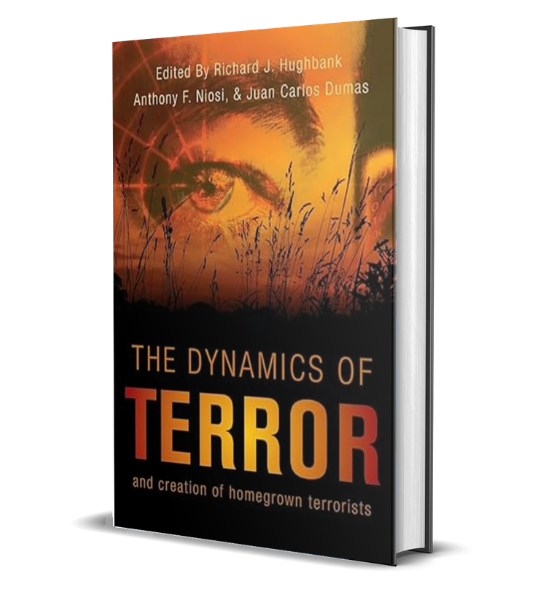
The Dynamics of Terror and creation of homegrown terrorists explores how individuals often ordinary people can become agents of violence and extremism. Drawing on historical examples of influential figures like Adolf Hitler, James Jones, and Osama bin Laden, the book raises critical questions about human behavior, the roots of terrorism, and how individuals within everyday society can be drawn into acts of terror.
Through a collection of essays by psychologists, sociologists, and military experts, the book presents a unified theory of how terrorists develop. It offers deep insight into the mindset of those who commit such acts and provides valuable perspectives on identifying potential threats, emphasizing the importance of awareness and understanding in preventing future tragedies.
Whether you’re a reader sharing feedback, a publishing professional exploring opportunities, or a media outlet requesting an interview, I’d love to hear from you. Your message truly matters to me.
Whether you’re a reader sharing feedback, a publishing professional exploring opportunities, or a media outlet requesting an interview, I’d love to hear from you. Your message truly matters to me.
Whether you’re a reader sharing feedback, a publishing professional exploring opportunities, or a media outlet requesting an interview, I’d love to hear from you. Your message truly matters to me.