About Dr. Richard J. Hughbank
About Dr. Richard J. Hughbank
About Dr. Richard J. Hughbank
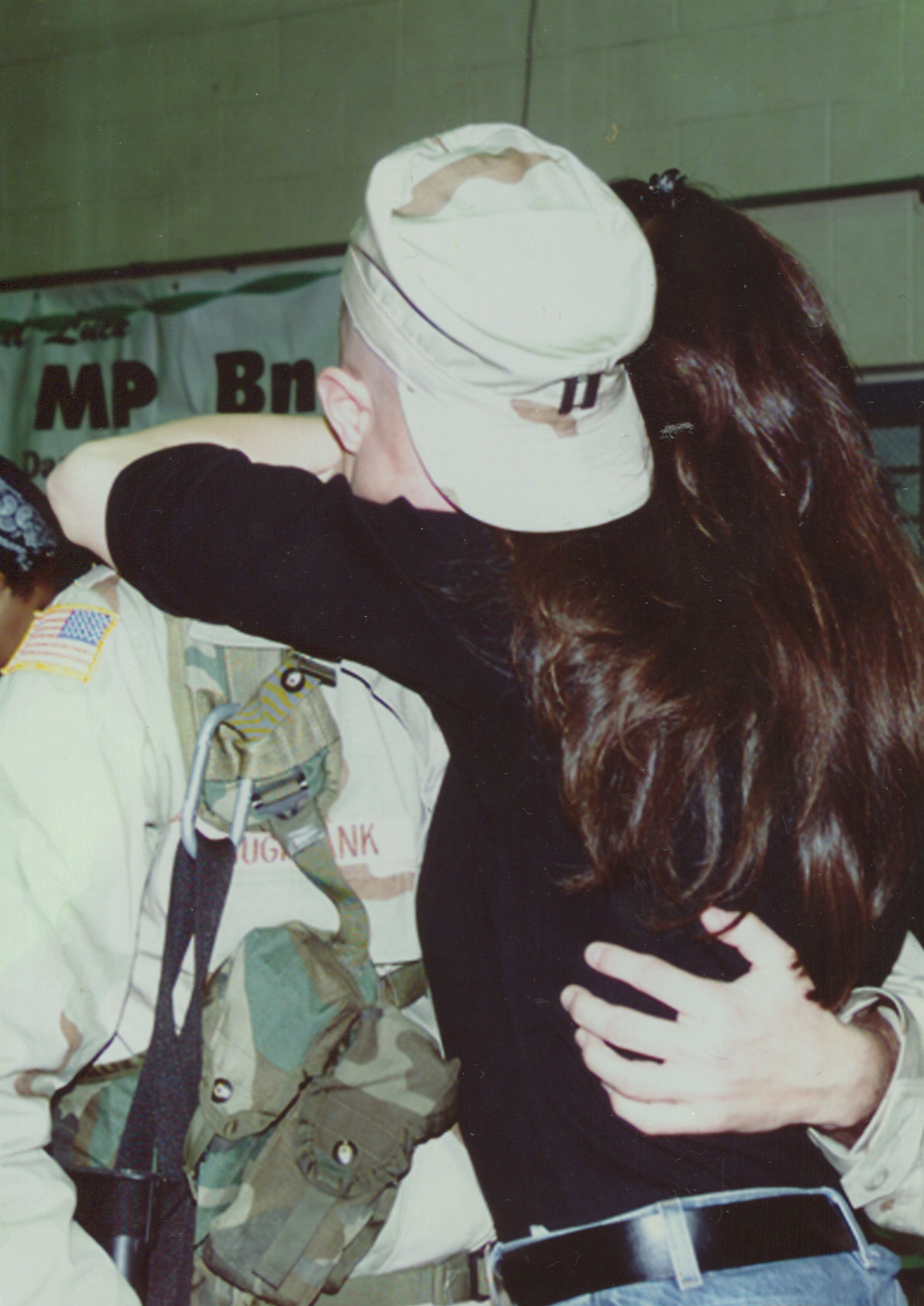
Dr. Richard J. Hughbank is a scholar, educator, and retired U.S. Army Military Police officer with more than three decades of experience in national security, homeland defense, and counterterrorism operations. A Distinguished Military Graduate through ROTC, he began his career as an enlisted Security Specialist in the U.S. Air Force before commissioning into the Army, where he served in key operational and leadership roles during the War on Terror, including terrorist detainee operations and interagency coordination with federal law enforcement, intelligence agencies, and special operations forces.
Dr. Hughbank holds a Doctor of Management in Homeland Security from Colorado Technical University, along with advanced studies in terrorism at the University of St Andrews’ Centre for the Study of Terrorism and Political Violence. He also holds a Master of Science in Counseling and a Master of Arts in Business and Organizational Security Management. His academic career spans nearly two decades as a university professor, program director, and graduate advisor, where he has taught and developed curriculum in homeland security, terrorism studies, and national defense.
Dr. Hughbank’s professional certifications further reflect his depth of expertise in crisis response and traumatic stress management. He holds multiple board certifications through the National Center for Crisis Management (NCCM), including Board Certified Expert in Traumatic Stress (BCETS), Board Certified in Emergency Crisis Response (BCECR), and Board Certified in School Crisis Response (BCSCR), and is recognized as a Diplomate with the organization. In addition, he is affiliated with the American Academy of Experts in Traumatic Stress (AAETS), underscoring his commitment to understanding the psychological impact of violence, terrorism, and critical incidents. These credentials complement his operational and academic experience, reinforcing his ability to analyze, respond to, and educate others on crisis events at both individual and societal levels.
A nationally recognized subject matter expert, Dr. Hughbank has authored numerous books, book chapters, and scholarly articles focused on homeland security, national defense, terrorism, radicalization, and violent extremism. His work examines how individuals move from personal vulnerability to ideological commitment, offering a practitioner-informed perspective on the pathways that lead to the creation of homegrown terrorists.
As the creator of the Fracture-to-Fusion Radicalization Model (FFRM), Dr. Hughbank advances a process-based framework for understanding radicalization as a developmental pathway rather than an isolated act. Informed by both his operational experience and academic training in counseling and human behavior, his Dynamics of Terror series builds on this foundation, exploring the psychological, sociological, and ideological mechanisms that drive extremism while emphasizing early identification, societal responsibility, and prevention.
He serves on the Advisory Board of the American Counterterrorism Targeting and Resilience Institute (ACTRI) and has contributed to national media discussions on terrorism and homeland security. Through his writing, teaching, and public engagement, Dr. Hughbank continues to shape the conversation on one of the most urgent security challenges of our time: understanding how radicalization begins, how extremism takes hold, and how both can be disrupted before violence occurs.
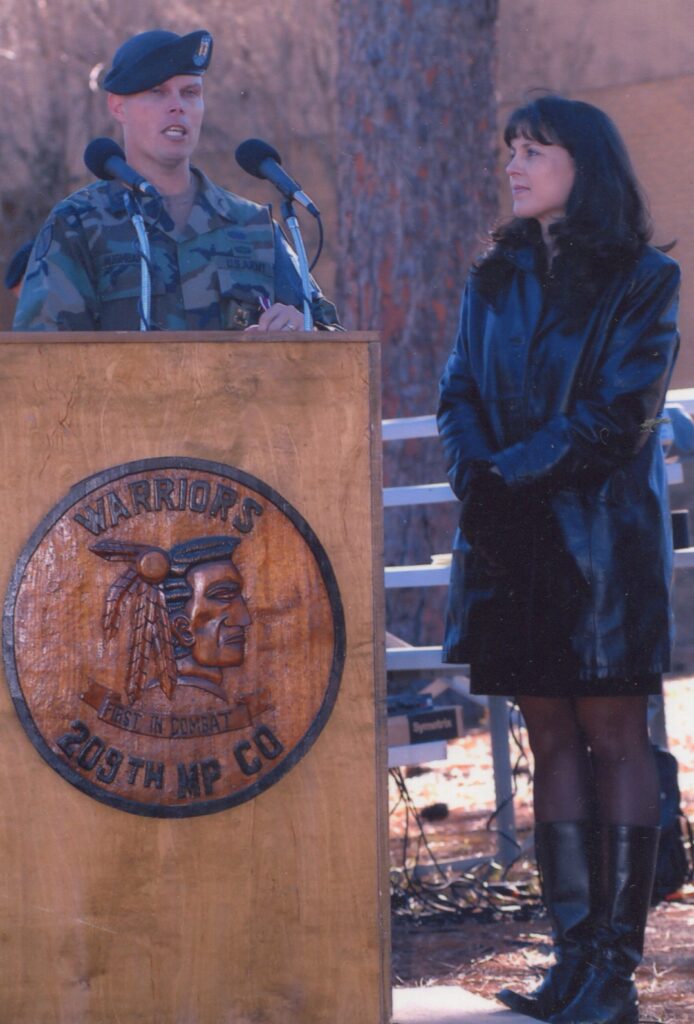
Dr. Richard J. Hughbank is a scholar, educator, and retired U.S. Army Military Police officer with more than three decades of experience in national security, homeland defense, and counterterrorism operations. A Distinguished Military Graduate through ROTC, he began his career as an enlisted Security Specialist in the U.S. Air Force before commissioning into the Army, where he served in key operational and leadership roles during the War on Terror, including terrorist detainee operations and interagency coordination with federal law enforcement, intelligence agencies, and special operations forces.
Dr. Hughbank holds a Doctor of Management in Homeland Security from Colorado Technical University, along with advanced studies in terrorism at the University of St Andrews’ Centre for the Study of Terrorism and Political Violence. He also holds a Master of Science in Counseling and a Master of Arts in Business and Organizational Security Management. His academic career spans nearly two decades as a university professor, program director, and graduate advisor, where he has taught and developed curriculum in homeland security, terrorism studies, and national defense.
Dr. Hughbank’s professional certifications further reflect his depth of expertise in crisis response and traumatic stress management. He holds multiple board certifications through the National Center for Crisis Management (NCCM), including Board Certified Expert in Traumatic Stress (BCETS), Board Certified in Emergency Crisis Response (BCECR), and Board Certified in School Crisis Response (BCSCR), and is recognized as a Diplomate with the organization. In addition, he is affiliated with the American Academy of Experts in Traumatic Stress (AAETS), underscoring his commitment to understanding the psychological impact of violence, terrorism, and critical incidents. These credentials complement his operational and academic experience, reinforcing his ability to analyze, respond to, and educate others on crisis events at both individual and societal levels.
A nationally recognized subject matter expert, Dr. Hughbank has authored numerous books, book chapters, and scholarly articles focused on homeland security, national defense, terrorism, radicalization, and violent extremism. His work examines how individuals move from personal vulnerability to ideological commitment, offering a practitioner-informed perspective on the pathways that lead to the creation of homegrown terrorists.
As the creator of the Fracture-to-Fusion Radicalization Model (FFRM), Dr. Hughbank advances a process-based framework for understanding radicalization as a developmental pathway rather than an isolated act. Informed by both his operational experience and academic training in counseling and human behavior, his Dynamics of Terror series builds on this foundation, exploring the psychological, sociological, and ideological mechanisms that drive extremism while emphasizing early identification, societal responsibility, and prevention.
He serves on the Advisory Board of the American Counterterrorism Targeting and Resilience Institute (ACTRI) and has contributed to national media discussions on terrorism and homeland security. Through his writing, teaching, and public engagement, Dr. Hughbank continues to shape the conversation on one of the most urgent security challenges of our time: understanding how radicalization begins, how extremism takes hold, and how both can be disrupted before violence occurs.
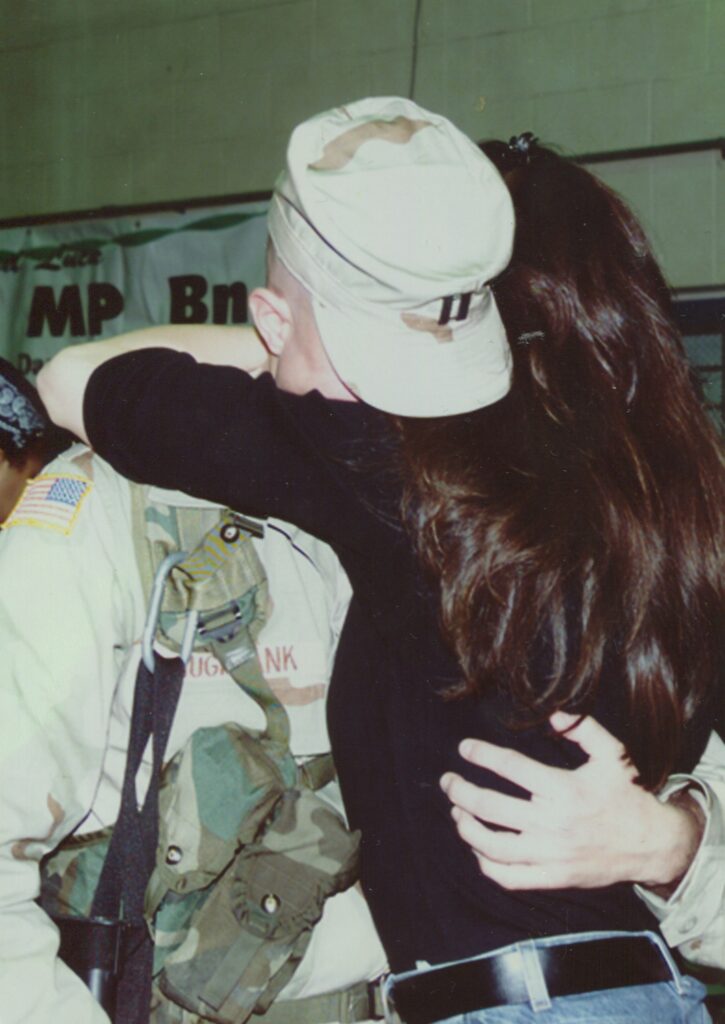
Dr. Richard J. Hughbank is a scholar, educator, and retired U.S. Army Military Police officer with more than three decades of experience in national security, homeland defense, and counterterrorism operations. A Distinguished Military Graduate through ROTC, he began his career as an enlisted Security Specialist in the U.S. Air Force before commissioning into the Army, where he served in key operational and leadership roles during the War on Terror, including terrorist detainee operations and interagency coordination with federal law enforcement, intelligence agencies, and special operations forces.
Dr. Hughbank holds a Doctor of Management in Homeland Security from Colorado Technical University, along with advanced studies in terrorism at the University of St Andrews’ Centre for the Study of Terrorism and Political Violence. He also holds a Master of Science in Counseling and a Master of Arts in Business and Organizational Security Management. His academic career spans nearly two decades as a university professor, program director, and graduate advisor, where he has taught and developed curriculum in homeland security, terrorism studies, and national defense.
Dr. Hughbank’s professional certifications further reflect his depth of expertise in crisis response and traumatic stress management. He holds multiple board certifications through the National Center for Crisis Management (NCCM), including Board Certified Expert in Traumatic Stress (BCETS), Board Certified in Emergency Crisis Response (BCECR), and Board Certified in School Crisis Response (BCSCR), and is recognized as a Diplomate with the organization. In addition, he is affiliated with the American Academy of Experts in Traumatic Stress (AAETS), underscoring his commitment to understanding the psychological impact of violence, terrorism, and critical incidents. These credentials complement his operational and academic experience, reinforcing his ability to analyze, respond to, and educate others on crisis events at both individual and societal levels.
A nationally recognized subject matter expert, Dr. Hughbank has authored numerous books, book chapters, and scholarly articles focused on homeland security, national defense, terrorism, radicalization, and violent extremism. His work examines how individuals move from personal vulnerability to ideological commitment, offering a practitioner-informed perspective on the pathways that lead to the creation of homegrown terrorists.
As the creator of the Fracture-to-Fusion Radicalization Model (FFRM), Dr. Hughbank advances a process-based framework for understanding radicalization as a developmental pathway rather than an isolated act. Informed by both his operational experience and academic training in counseling and human behavior, his Dynamics of Terror series builds on this foundation, exploring the psychological, sociological, and ideological mechanisms that drive extremism while emphasizing early identification, societal responsibility, and prevention.
He serves on the Advisory Board of the American Counterterrorism Targeting and Resilience Institute (ACTRI) and has contributed to national media discussions on terrorism and homeland security. Through his writing, teaching, and public engagement, Dr. Hughbank continues to shape the conversation on one of the most urgent security challenges of our time: understanding how radicalization begins, how extremism takes hold, and how both can be disrupted before violence occurs.
Get in Touch
Whether you’re a reader sharing feedback, a publishing professional exploring opportunities, or a media outlet requesting an interview, I’d love to hear from you. Your message truly matters to me.
Get in Touch
Whether you’re a reader sharing feedback, a publishing professional exploring opportunities, or a media outlet requesting an interview, I’d love to hear from you. Your message truly matters to me.
Get in Touch
Whether you’re a reader sharing feedback, a publishing professional exploring opportunities, or a media outlet requesting an interview, I’d love to hear from you. Your message truly matters to me.